
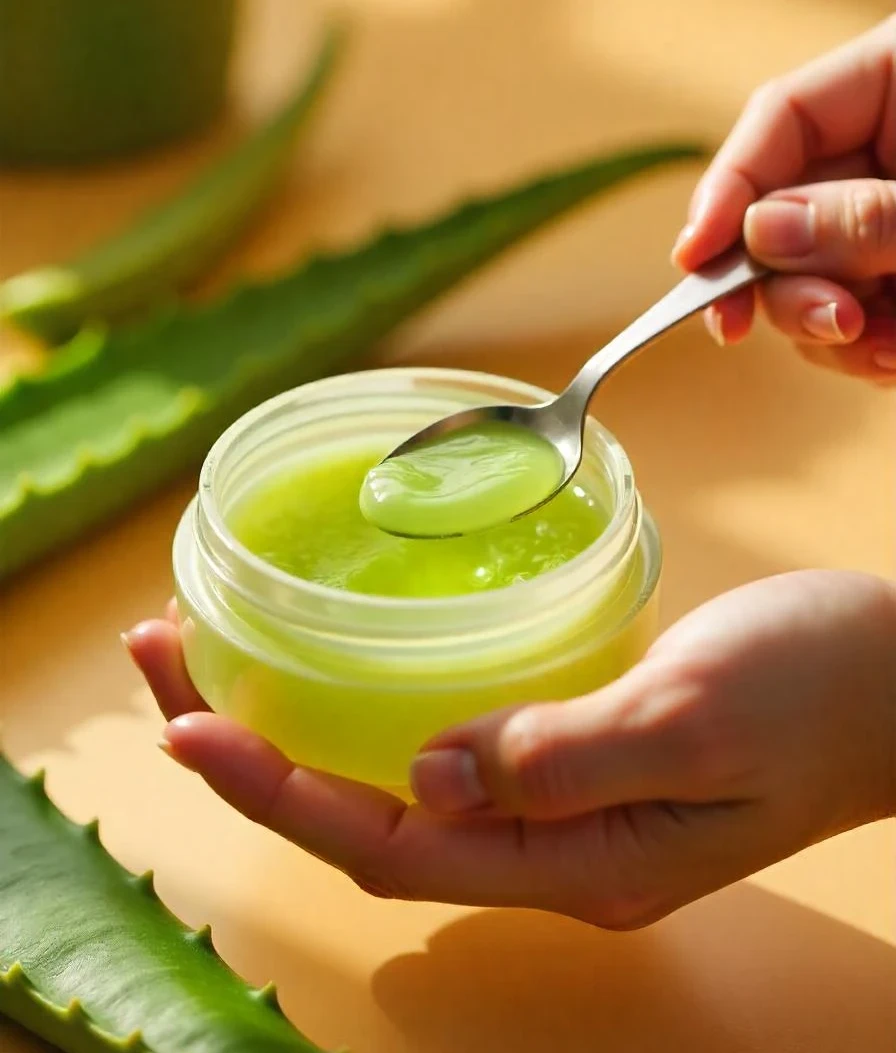
Aloe Vera is widely known for its soothing and calming properties, which is why it’s often recommended for irritated, sensitive, or sun-exposed skin. But when it comes to dry skin, Aloe Vera can be confusing. While some people find it refreshing and hydrating, others report that it leaves their skin feeling tight or even drier than before.
So what’s going on?
The answer is yes, when it’s used correctly. Aloe Vera provides hydration, but on its own, it may not give dry skin what it needs to stay comfortable and nourished. In this guide, we’ll explain why Aloe can sometimes feel drying, how to use it properly, and how to pair it with the right ingredients to support long-lasting moisture.
We’ll also cover safe aloe pairings, layering techniques, and the best aloe + cream combinations for long-lasting moisture.
Is Aloe Vera Good for Dry Skin?
Yes, aloe vera is good for dry skin, but it’s not a standalone moisturizer.
Aloe Vera gel is made up of about 98–99% water and contains skin-loving compounds like polysaccharides, enzymes, and amino acids. These components help soothe the skin, support surface hydration, and reduce discomfort caused by dryness or environmental stress.
However, Aloe Vera is primarily a humectant, meaning it attracts water rather than sealing it into the skin. This makes it different from richer creams or oils that protect the skin barrier.
For dry skin types, this distinction is important. Aloe can hydrate the skin temporarily, but without proper layering, that hydration may not last.
Many of these properties are explored in more detail in our complete guide to aloe vera skin benefits, which explains how Aloe supports hydration, soothing, and skin barrier health across different skin types.
To understand how aloe helps (or hurts), it’s important to know why aloe alone may feel drying.
Why Aloe Alone May Feel Drying on Dry Skin
Many people assume that because aloe feels hydrating, it must lock moisture into the skin. In reality, it works more like a lightweight hydrating layer.
Here’s why Aloe can feel drying when used on its own:
- Aloe draws moisture to the surface of the skin
- If the skin barrier is weak or compromised
- That moisture can evaporate quickly without a protective layer.
This process is called transepidermal water loss (TEWL), which can make dry or flaky skin feel even tighter.
For oily or humid-climate skin, aloe alone may feel fine. For dry, flaky, or compromised skin barriers, aloe needs support from emollient or occlusive ingredients to prevent moisture loss.
This is why some people say:
- “Aloe Vera dries my skin out”
- “Aloe makes my flaky skin worse”.
The problem isn’t aloe, it’s how it’s used.
The Right Way to Use Aloe Vera for Dry Skin
To get the benefits of aloe vera moisturizing dry skin without dehydration, you need to layer it properly.
Step 1: Apply Aloe on Slightly Damp Skin
Always apply aloe gel to slightly damp skin, not completely dry skin. This gives aloe water to bind to, so it doesn’t pull moisture out of your skin instead.
Step 2: Follow With a Moisturizer
This step is non-negotiable for dry skin.
After applying aloe:
- Wait 30–60 seconds
- Follow immediately with a rich cream or balm
Using aloe as a hydrating base followed by a rich cream transforms it from a short-term hydrator into a long-lasting moisture booster.
This approach works especially well when combined with deeply hydrating natural face creams formulated to nourish dry and sensitive skin.
Aloe Vera for Flaky Skin: What to Know
Flaky skin is often mistaken for “dead skin buildup,” but in most cases, it’s dehydration + barrier damage. When the skin lacks moisture, it sheds unevenly, leading to rough patches and visible flakes.
Aloe Vera can help calm irritation and soften flakes, but it must be paired with barrier-strengthening ingredients.
When used correctly, aloe vera for flaky skin can:
- Reduce tightness and surface dryness
- Soothe irritation caused by dehydration
- Improve overall skin comfort
Used alone, however, aloe may highlight dryness instead of relieving it.
Aloe Vera and Oils: A Supportive Combination for Dry Skin
One of the best ways to use aloe vera for dry skin is to combine it with plant-based oils. Aloe provides hydration, while oils help prevent moisture from escaping. This combination closely mimics the skin’s natural moisture balance.
Gentle Oils That Pair Well With Aloe
- Jojoba oil – lightweight and similar to natural skin oils
- Sweet almond oil – softens rough, flaky skin
- Rosehip oil – supports barrier repair and elasticity
- Squalane (plant-derived) – lightweight but deeply nourishing without heaviness.
How to Use Aloe and Oil
Option 1:
- Apply aloe gel to damp skin
- Press 2–3 drops of oil on top
Option 2:
- Mix a small amount of aloe and oil in your palm
- Apply as a lightweight hydrating serum
This combo is especially helpful at night or during colder months.
Aloe Vera + Moisturiser: The Most Reliable Routine
For dry skin, aloe works best as a booster—not as a stand-alone solution.
Look for routines (or products) that combine:
- Aloe Vera
- Rich creams
- Barrier-supporting ingredients
An ideal routine:
- Gentle cleanser
- Aloe Vera gel or aloe-based serum
- Deeply hydrating natural face cream
- Optional facial oil at night
This approach gives you:
- Immediate hydration
- Long-lasting moisture
- Reduced flakiness over time
Products that combine aloe with nourishing ingredients often perform better than aloe-only formulas.
If you’re looking for moisturisers that complement aloe well, explore our selection of natural face creams designed specifically for dry skin.
Aloe Vera and Shea Butter : Extra Support for Very Dry Skin
For those dealing with persistent dryness, rough texture, or seasonal skin changes, shea butter can be particularly beneficial.
Shea butter:
- Is rich in fatty acids
- Strengthens the skin barrier
- Prevents moisture loss
- Improve skin softness and elasticity
When layered over aloe, it creates an ideal balance:
- Aloe hydrates and calms
- Shea butter seals and repairs
This combo is particularly effective for:
- Winter dryness
- Over-exfoliated skin
- Mature or compromised skin
Ingredients like shea butter for dry skin can be especially helpful when layered over Aloe Vera, as they help reinforce the skin barrier and prevent moisture evaporation. This combination is ideal for nighttime routines or periods of intense dryness.
Choosing the Right Aloe for Dry Skin
Not all aloe products are suitable for dry skin. Some formulas are designed for oily or acne-prone skin and may contain drying alcohols or astringents.
Look For:
- Aloe high on the ingredient list
- Alcohol-free formulations
- Added humectants like glycerin
- Supporting oils or butters
Avoid:
- Products labelled “oil-free” for acne-only use
- Strong astringents or high alcohol content
For a complete overview of Aloe Vera’s role in skincare, read our in-depth guide on aloe vera skin benefits, which covers how aloe works across different skin types.
Final Takeaway: Aloe Vera for Dry Skin the Right Way
Aloe Vera can be an excellent addition to a dry skin routine, but only when it’s used correctly.
On its own, aloe hydrates briefly.
When layered with creams or oils, aloe supports long-lasting moisture and comfort.
Remember this rule:
Aloe provides hydration. Moisturisers and oils help retain it.
Pair aloe with the right moisturizer or oil, and your skin can finally enjoy all the soothing, calming benefits—without the tight, flaky aftermath.
If you’re ready to upgrade your routine, explore our recommended deeply hydrating natural face creams designed to work perfectly with aloe for dry, sensitive skin.