
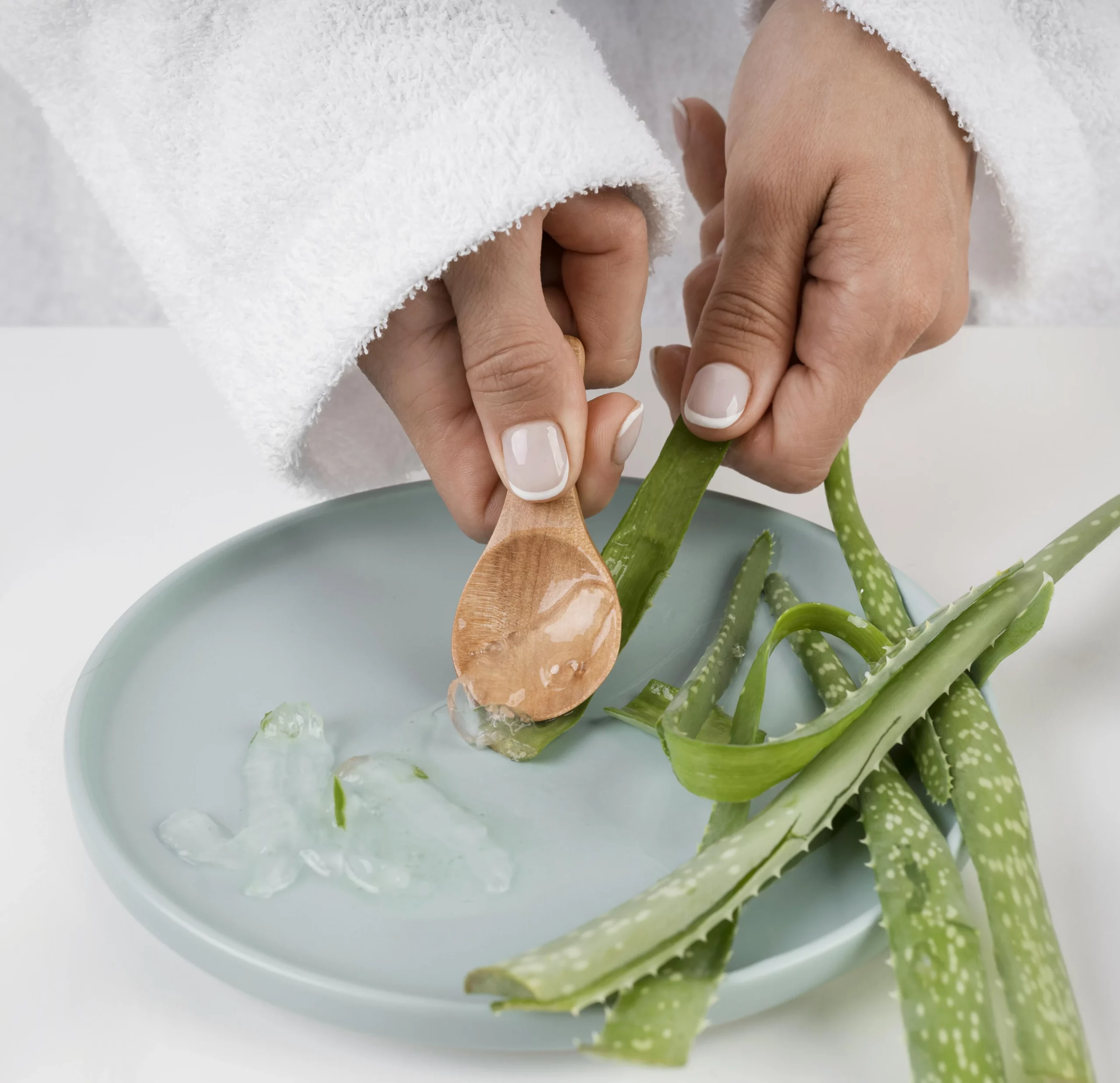
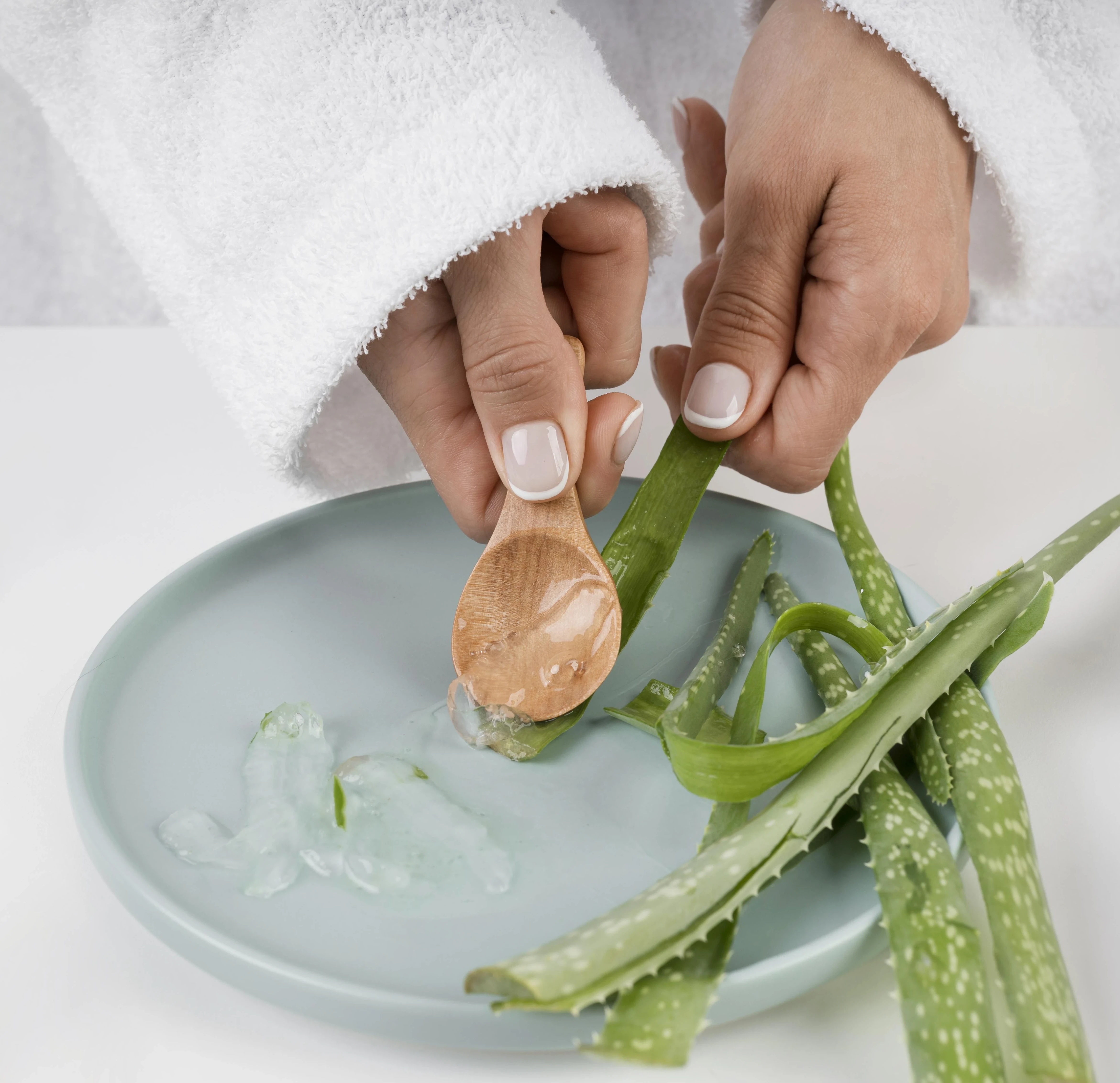
If you’re dealing with acne and looking for a gentler, more natural solution, Aloe Vera is likely already on your radar. Known for its soothing and healing properties, Aloe Vera has long been used to calm irritated skin – largely because of the well-known benefits of aloe vera for skin—but does it actually help with acne?
The short answer: yes, when used correctly.
In this guide, we’ll break down how Aloe Vera works for acne, who it’s best for, how to use it safely, and common mistakes to avoid, so you can decide if it deserves a place in your skincare routine.
Why Aloe Vera Is Popular for Acne-Prone Skin
Aloe Vera gel contains a unique combination of compounds that make it especially appealing for acne-prone skin, including:
- Anti-inflammatory agents that help reduce redness and swelling
- Natural antibacterial properties that may help limit acne-causing bacteria
- Polysaccharides that support skin healing and hydration
- Antioxidants that protect stressed, inflamed skin
Unlike harsh acne treatments that strip the skin barrier, Aloe Vera works by calming and supporting the skin, not attacking it. This is why it’s often recommended among gentle, plant-based solutions for acne-prone skin.
This makes it particularly useful for people who break out easily but also struggle with sensitivity.
How Aloe Vera Helps With Acne
1. Reduces Inflammation and Redness
One of Aloe Vera’s strongest benefits is its ability to calm inflamed skin. Active breakouts often appear red and swollen due to inflammation, and Aloe’s cooling effect can visibly soothe skin within minutes of application – similar to other calming botanical ingredients used in natural skincare.
2. Supports Healing of Existing Breakouts
Aloe Vera helps support the skin’s natural repair process, which may allow blemishes to heal faster and with less irritation, especially useful if you’re prone to picking or lingering marks.
3. Hydrates Without Clogging Pores
Many acne sufferers avoid moisturizers out of fear they’ll make breakouts worse. Aloe Vera hydrates without leaving a greasy residue, helping maintain balance without clogging pores. It works especially well when paired with lightweight natural moisturizers that won’t clog pores.
4. Helps Maintain a Healthy Skin Barrier
Over-drying acne treatments can damage the skin barrier, triggering even more breakouts. Aloe Vera helps keep the barrier hydrated and calm, which is key for long-term acne control.
Is Aloe Vera Good for All Types of Acne?
Aloe Vera works best for certain types of acne:
✔ Mild to moderate acne.
✔ Inflammatory acne (red, irritated pimples).
✔ Acne-prone sensitive skin.
✔ Hormonal acne support (as a calming step, not a cure).
It may be less effective on its own for:
- Severe cystic acne.
- Deep nodular breakouts.
In these cases, Aloe Vera works best alongside building a consistent natural skincare routine, not as a replacement for medical treatment.
How to Use Aloe Vera for Acne (Step-by-Step)
Option 1: Aloe Vera as a Leave-On Treatment
- Cleanse with a gentle, non-stripping cleanser
- Apply a thin layer of pure Aloe Vera gel
- Let it absorb completely
- Follow with a lightweight moisturizer if needed
This method works well for daily use, especially as part of an evening skincare routine for acne-prone skin.
Option 2: Aloe Vera as a Spot Treatment
Apply a small amount directly to individual pimples once or twice daily to calm redness and irritation.
Option 3: Aloe Vera Mixed With Moisturizer
For dry or combination skin, mix a drop of Aloe Vera with your moisturizer to prevent over-drying while still calming breakouts.
👉 If your skin reacts easily, choose natural options better suited for sensitive or reactive skin rather than aggressive treatments.
Can You Use Aloe Vera Every Day for Acne?
Yes, most people can use Aloe Vera daily without issue.
Daily use can help:
- Keep redness under control
- Prevent irritation from other acne products
- Maintain hydration balance
However, using too much Aloe or pairing it with multiple strong actives (like retinoids or exfoliating acids) may cause sensitivity. Less is more.
Fresh Aloe Vera vs Aloe Vera Gel: What’s Better for Acne?
Fresh Aloe Vera Gel
Pros
- Pure and natural
- No added ingredients
Cons
- Short shelf life
- Potency can vary
- Risk of irritation if not processed properly
Store-Bought Aloe Vera Gel
Pros
- Stable formulation
- Easier daily use
- Often combined with calming ingredients, including gentle floral waters often paired with aloe.
Cons
- Some contain alcohol or fragrance
For acne-prone skin, look for fragrance-free, alcohol-free formulas with Aloe Vera listed as the first ingredient.
Common Mistakes to Avoid When Using Aloe Vera for Acne
🚫 Using products with alcohol (this can worsen breakouts)
🚫 Applying Aloe Vera on broken or open pimples
🚫 Overusing Aloe as your only moisturizer
🚫 Skipping patch tests
If your skin stings or tightens after application, discontinue use.
Does Aloe Vera Help With Acne Scars?
Aloe Vera may help support skin healing and improve overall texture, but it won’t erase deep acne scars on its own.
It may help with:
✔ Redness left after breakouts
✔ Minor post-acne marks
For deeper scarring, Aloe works best as a supporting ingredient alongside targeted treatments.
How Long Does it Take to See Results?
Aloe Vera can begin working relatively quickly to calm inflammation and reduce redness, but it’s important to set realistic expectations. This is not a miracle ingredient that clears acne overnight.
For some people, visible improvements such as reduced irritation or less redness can appear within a few days. However, when it comes to fading active breakouts or healing acne marks, patience is essential. Long-term skin clarity takes time.
Results largely depend on factors like your skin type, acne severity, and overall routine. Mild or occasional breakouts may respond faster, while deeper, hormonal, or persistent acne can take several weeks. Consistency, paired with lightweight natural moisturizers that won’t clog pores, plays a major role in long-term improvement.
Be cautious of claims promising a “3-day acne cure.” While Aloe Vera may help soothe inflammation quickly, lasting results typically come from regular, ongoing use. Applying Aloe Vera consistently, once or twice daily, can support your skin’s natural healing process over time.
For enhanced results, Aloe Vera can be used alongside other acne-supporting ingredients such as niacinamide or salicylic acid (applied separately, not layered all at once). If acne is persistent or severe, consulting a dermatologist can help you build a routine that aligns with your skin’s specific needs.
The takeaway? Stay consistent, be patient, and think long-term. When used correctly, Aloe Vera can be a helpful ally in achieving clearer, calmer skin.
Who Should Use Aloe Vera for Acne?
Aloe Vera is ideal if you:
- Have acne-prone and sensitive skin
- Want a natural, non-harsh solution
- Experience redness or irritation from acne treatments
- Need lightweight hydration
If you’re building a gentle routine, combining Aloe with non-irritating skincare options often leads to better long-term results.
Is Aloe Vera Worth Using for Acne?
Aloe Vera isn’t a miracle cure, but it is one of the best natural support ingredients for acne-prone skin.
When used correctly, it helps calm inflammation, support healing, and keep skin balanced without triggering further breakouts. For many people, especially those with sensitive skin, Aloe Vera can be a game-changing addition to an acne routine.
Considerations and Cautions: Potential Side Effects of Aloe Vera
Although Aloe Vera is widely known for being gentle and soothing, it isn’t completely risk-free for everyone. Some individuals may experience mild stinging, redness, or irritation, especially when applying raw Aloe Vera gel directly to the skin.
If you notice discomfort, it’s best to discontinue use or try diluting the gel with a small amount of water or moisturizer. Those with sensitive or reactive skin should always perform a patch test before using Aloe Vera on the face. Apply a small amount to an area like the inner forearm and wait 24 hours to check for any reaction.
In rare cases, overuse or reliance on Aloe Vera alone may disrupt the skin’s natural balance. Aloe works best as part of a well-rounded skincare routine, not as the only step. Pairing it with a gentle cleanser, moisturizer, and sunscreen helps maintain healthy skin function.
Pregnant or breastfeeding individuals should also consult a healthcare professional before introducing daily Aloe Vera use, especially if using highly concentrated or oral Aloe products.
The key is informed and mindful use. When applied thoughtfully and in moderation, Aloe Vera can be a safe, effective addition to an acne-focused skincare routine, offering calming support without unnecessary risk.